CityGolf.cz

Why is iron and wedge fitting important?
-
Maximum precision
Playing with irons and wedges often comes into play at crucial moments, when you are deciding where to land on the green or trying to save a shot. Properly fitted clubs will help you hit your target more often and have a better understanding of your distances.
-
Length check and correct gapping
A smooth transition between the lofts of your irons and wedges ensures that you don’t miss out on the optimal shot from any distance.
-
Consistency
If the clubs in your set are fitted to your swing, you can rely on a consistent feel and shot performance—and build confidence in your game.
-
Improved ball contact
The correct length and lie angle will help you strike the ball more cleanly, minimizing energy loss and uncontrolled spin.
-
Suitable bounce and sole shape (for wedges)
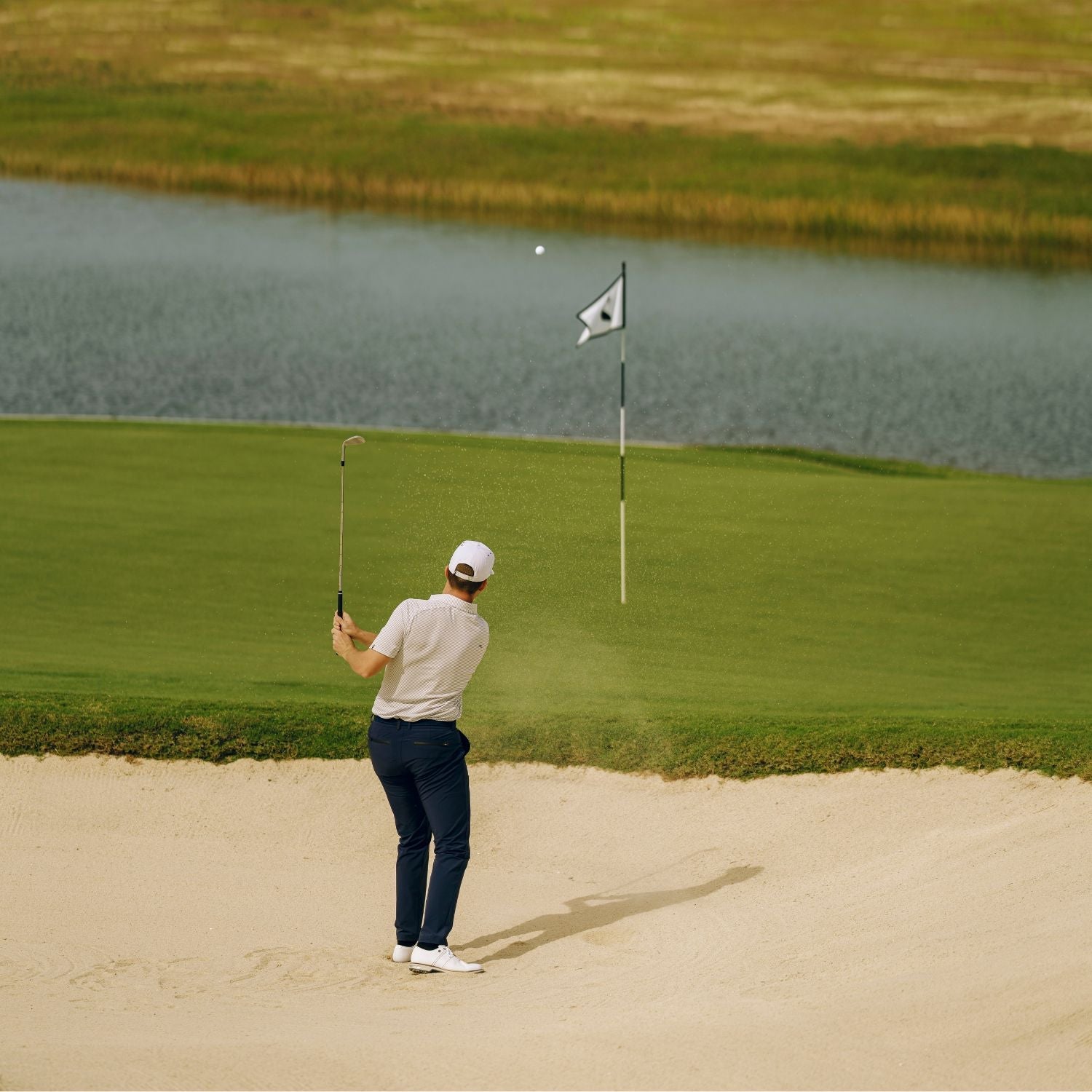
It is particularly important when playing from different surfaces (grass, sand) and for short shots around the green. The right bounce will make the game easier and reduce the risk of poor shots.
How does iron and wedge fitting work?
-
Body and swing analysis
The fitter takes into account your arm length, height, grip, and other physical characteristics. They also consider the speed and tempo of your swing.
-
Fitting different configurations
You can try out different clubhead designs with varying shaft lengths and flexes, as well as different lie settings. Using TrackMan radar technology, we monitor ball speed, direction, spin, launch angle, distance, and 20 other parameters to ensure the measurements are as accurate as possible.
-
Loft and gapping check
Comparing the distances between individual clubs is also an important part. The fitter will ensure that you have natural gaps between your clubs (generally around 10–12 metres), so you have a club for every distance.
-
Final adjustments
After evaluating the data and your feedback, we will make the final selection and recommend how your new set of irons and wedges should be configured.
Iron and wedge fitting is an investment in the quality of your mid- and short game.
A properly selected and adjusted set will give you greater control over your shots, help prevent unnecessary mistakes, and ensure that your golf equipment always supports your swing instead of holding you back. If you want to improve your score and feel more confident on every part of the course, you should definitely consider professional iron and wedge fitting.
What is assessed during an iron and wedge fitting?
Head design
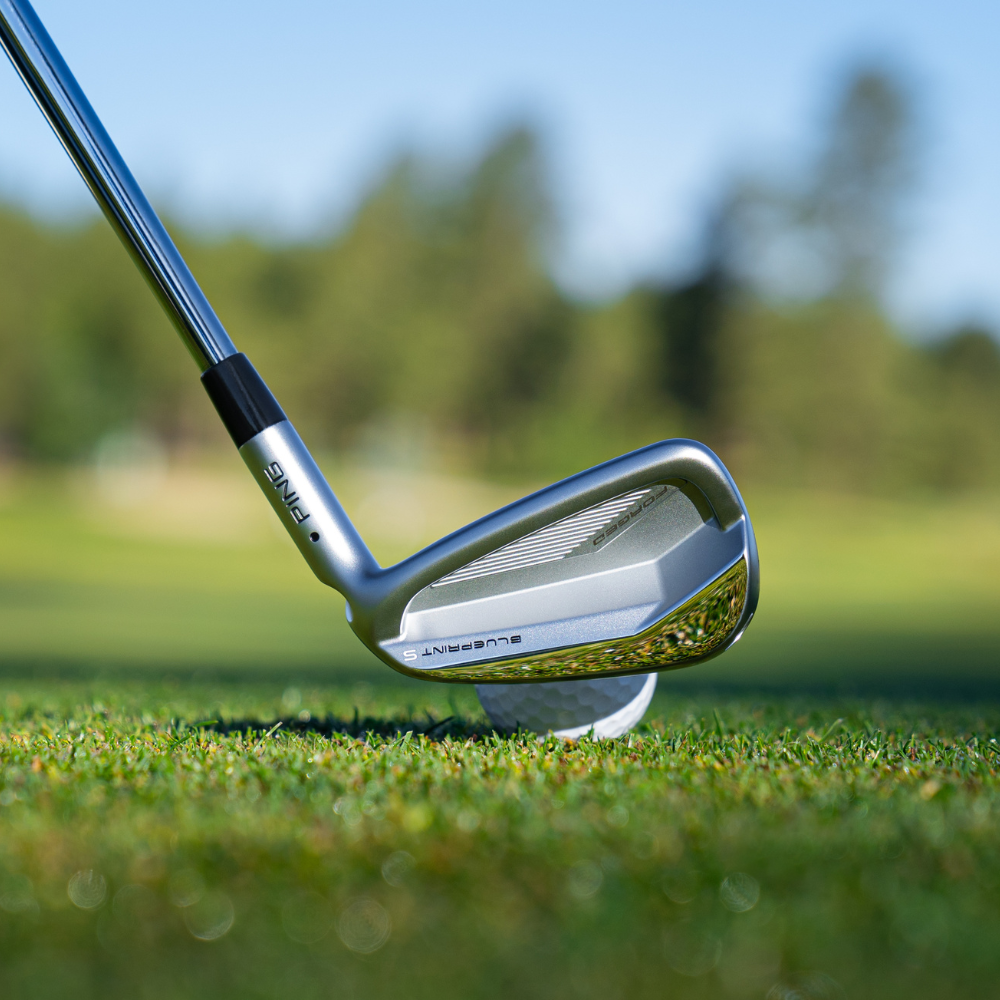
Modern irons and wedges are made with different weight distributions (cavity back, muscle back, etc.), which determine their level of forgiveness. Choosing the right clubhead for your skill level can significantly improve your consistency and confidence when hitting shots.
Shaft flex and type
The shaft’s stiffness (flex) and material (steel, graphite, or a combination of the two) affect the feel during the swing, clubhead speed, and shot control. Every player has a specific swing tempo and personal preferences that should be taken into account.

Length and Lie Angle
Shaft length affects your stance and comfort during the swing. A club that is too long or too short leads to compromises in technique and, consequently, inconsistent shots.
Lie angle (the angle between the shaft and the ground) affects the direction and accuracy of your shots. The correct lie helps you strike the ball optimally in the center of the clubface, thereby minimizing sidespin.
Loft of individual irons and wedges
The distances covered by the clubs are largely determined by their loft. During fitting, attention is paid to smooth transitions between the individual irons and wedges (known as gapping) to prevent unwanted distance gaps.
Properly adjusted loft is essential for wedges in a variety of playing situations – whether for longer approach shots or short shots around the green.
Bounce and sole shape (for wedges)
Especially with wedges (pitching wedge, gap wedge, sand wedge and lob wedge), the bounce (the angle between the ground and the leading edge) and sole shape (grind) are very important.
These features affect how easily the club moves through the surface and how well it can glide across the turf or sand in a bunker.